
How Does Smoking Affect Dental Implants
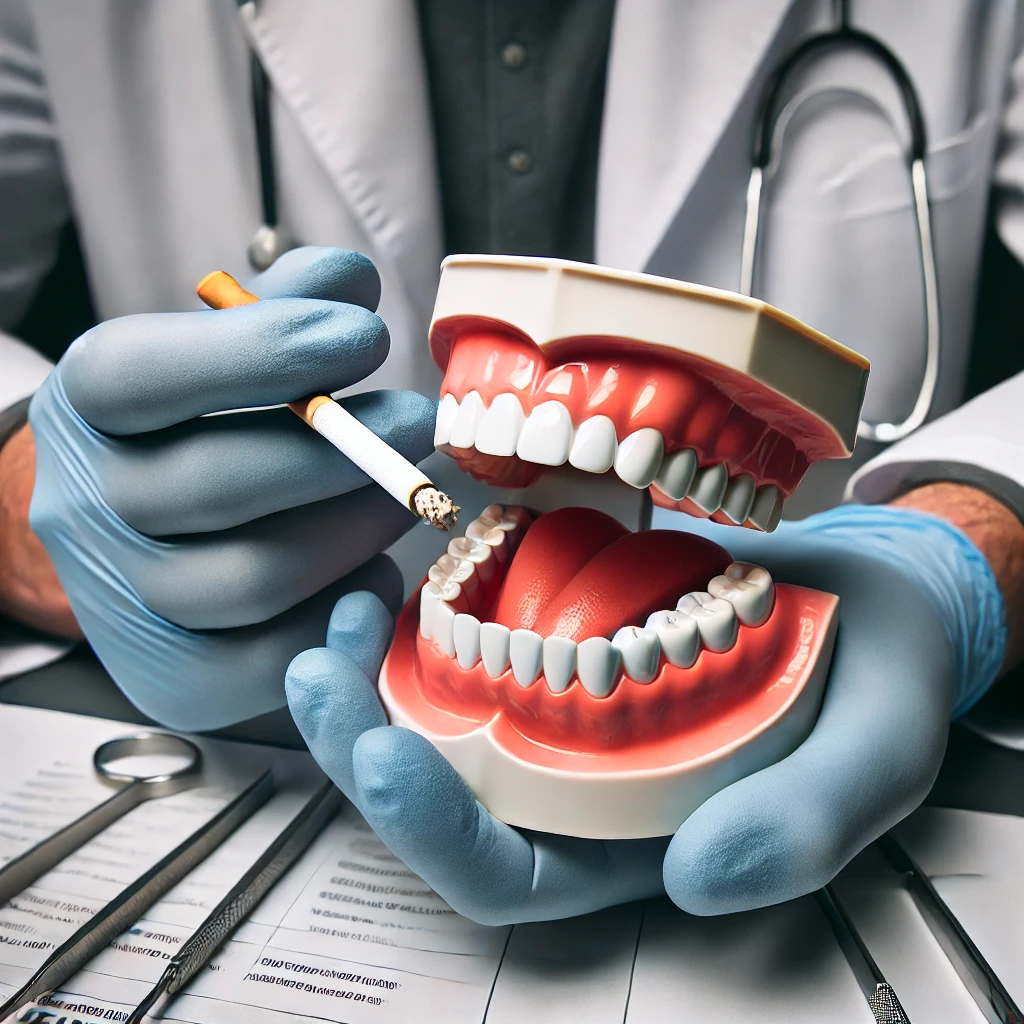
As a permanent and aesthetically pleasing alternative to dentures or bridges, our dental implants in Derby are a lifechanging solution for replacing missing teeth. Dental implants act as artificial tooth roots, comprising a titanium post that is surgically inserted into the jawbone, and providing a strong foundation for replacement teeth.
However, the success of dental implants largely hinges on good oral health, which can be significantly affected by lifestyle choices – smoking in particular. In this blog, we’ll explore how smoking can impact your dental implants and whether you need to stop smoking if you have them.
We’ll also explore the implications of vaping on your oral health and dental implants, to give you a full understanding of how these habits can affect your treatment options and long-term dental success.
How Does Smoking Affect Dental Implants?
Smoking can have several detrimental effects on dental implants, including:
Impaired healing:
Smoking constructs blood vessels, which reduces blood flow to the surgical site. This diminished circulation can lead to slower healing, hindering the osseointegration process, where the implant fuses with the jawbone.
Compromised bone quality:
Over time, smoking can contribute to bone loss, affecting the density and structure of the jawbone. Poor bone quality can significantly impact the stability and success of dental implants.
Higher failure rates:
A study published in the British Dental Journal found that "smoking is a significant risk factor for dental implant failure, with smokers being 2.5 times more likely to experience complications compared to non-smokers."
Altered taste and smell:
Smoking can alter your senses, which could negatively impact your diet and nutrition. This poor nutrition can hinder the healing process and overall oral health.
Do I Need to Stop Smoking to Have Dental Implants?
If you’re considering our transformative dental implants in Derby, we strongly recommend quitting smoking. While it may not be necessary to stop entirely before the procedure, reducing or quitting smoking can significantly enhance the chances of a successful implant placement.
To allow optimal healing, many dental professionals recommend quitting smoking for at least two weeks before surgery and at least six weeks post-surgery.
If you already have dental implants and smoke, it’s crucial to discuss this with our award-winning dentist Dr Tony Taunk. He will provide personalised advice based on your situation and may recommend strategies to help you quit smoking, which can ultimately improve overall oral health and the longevity of your implants.
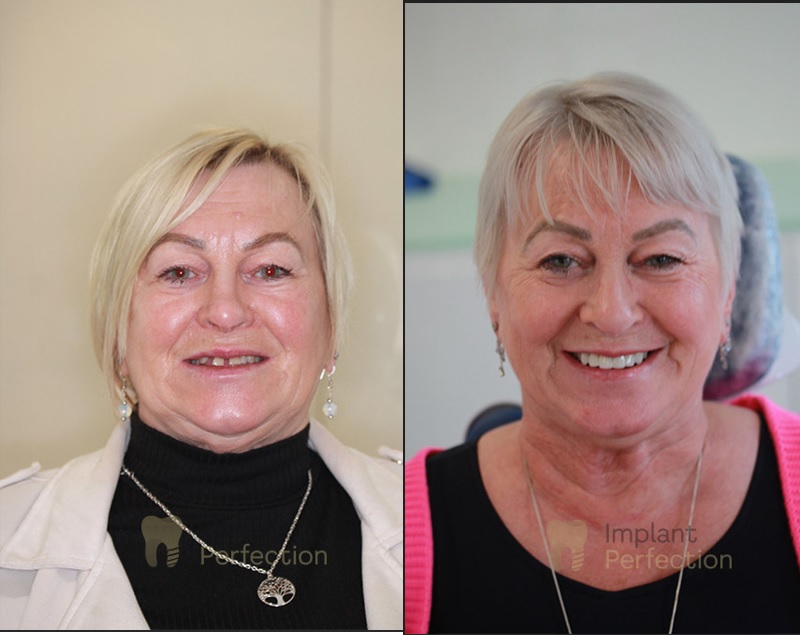
See some of our incredible before and afters of our dental implants in Derby below.

What About Vaping?
Vaping has quickly become a popular alternative to traditional smoking, but it also poses a risk to your dental implants. Although it may be perceived as a safer option, vaping can still have a negative impact on gum health and overall oral hygiene, as the inhalation of nicotine and other harmful substances can impair healing, just like traditional smoking.
Although research is still ongoing into the long-term effects of vaping on dental implants, we recommend limiting or eliminating vaping to enhance healing and improve the success rate of your dental implants.
Choose a Healthier Future – Your Smile Deserves It
In summary, smoking and vaping can significantly hinder the success of dental implants, impacting healing and overall health. If you are exploring options for tooth replacement, it is essential to consider the implications of these lifestyle choices. Quitting smoking or vaping not only improves your chances of a successful implant procedure but also contributes to better overall oral health.
Ready to take the next step towards a healthier, more confident smile? Book a free consultation today to learn more about our dental implants in Derby and how they can transform your smile for good!
Citations
"Smoking as a Risk Factor for Dental Implant Failure." British Dental Journal, vol. 218, no. 7, 2015, pp. 375-379.
Implant Perfection are proud to partner with